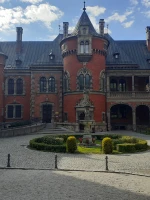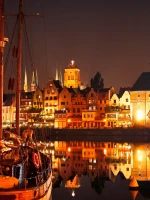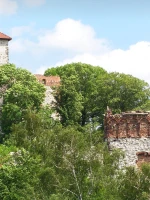
Poland is a country that offers a captivating blend of history, culture, natural beauty, and modern charm. Whether you're drawn to the medieval cities, the tranquil landscapes, or the rich historical sites, there's something for every type of traveler. If you have a week to spare and are wondering whether a 7-day trip to Poland is worth considering, the answer is an unequivocal yes. From iconic landmarks to hidden gems, Poland provides a fulfilling travel experience that can be enjoyed at a leisurely pace.
In this guide, we’ll explore the must-see destinations, essential travel tips, and provide a clear itinerary for a
7-day journey through Poland.
Essential Information for Travelers
Before you pack your bags and embark on your Polish adventure, there are a few practical things you need to know.
Visa Requirements
Poland is a member of the European Union (EU), and as such, citizens of the EU, the European Economic Area (EEA), and Switzerland can travel to Poland without a visa. For travelers from non-EU countries, visa requirements will depend on your nationality. Many countries outside the EU, including the United States, Canada, and Australia, are part of Poland’s visa-waiver program, allowing for stays of up to 90 days within a 180-day period for tourism purposes.
Always check your local embassy or consulate for the most current information regarding visa regulations.
Language
The official language of Poland is Polish, but in larger cities and tourist areas, English is widely spoken. Learning a few basic phrases like "dziękuję" (thank you) or "proszę" (please) can go a long way in connecting with locals.
Currency
Poland uses the Polish złoty (PLN), which is different from the euro. Although many places in major cities accept credit cards, it's a good idea to carry some local currency for small purchases, especially in more rural areas.
Transportation
Poland has an excellent public transportation system. Trains are fast and efficient, particularly between major cities like Warsaw, Kraków, Wrocław, and Gdańsk. The bus network is also robust and can take you to more remote locations. For short distances, consider using taxis or ridesharing apps like Bolt or Uber. Renting a car is an option if you plan to explore off-the-beaten-path destinations.
Best Time to Visit
The best time to visit Poland is during spring (April to June) and autumn (September to October), when the weather is pleasant and the crowds are smaller. Summers (July and August) are the peak tourist season, especially in cities like Kraków and Gdańsk, while winters offer a charming atmosphere, particularly if you’re into winter sports in the Tatra Mountains.
Top Attractions and How to Plan Your Route
Poland is a country brimming with rich history and diverse landscapes. Here's how to break up your 7-day itinerary to see some of the most iconic sites.
Day 1-2: Kraków
Start your journey in Kraków, the former royal capital of Poland. With its beautiful old town, cobbled streets, and well-preserved medieval architecture, Kraków is a place where history comes alive.
Main Market Square (Rynek Główny): One of the largest medieval town squares in Europe, it is home to St. Mary's Basilica, where you can hear the famous trumpet call every hour.
Wawel Castle: A stunning example of Renaissance architecture, Wawel Castle sits on a hill overlooking the Vistula River. Explore the royal chambers, cathedral, and underground tombs.
Auschwitz-Birkenau Memorial and Museum: A short day trip from Kraków, this haunting historical site is a must-visit to understand the atrocities of the Holocaust. While emotional, it’s an essential part of Poland’s history.
Day 3: Zakopane and the Tatra Mountains
On Day 3, head south to Zakopane, the gateway to the Tatra Mountains. This picturesque town, known for its wooden architecture and winter sports, is a great place for nature lovers and adventure enthusiasts.
Gubałówka Hill: For stunning views of the Tatra range, take the funicular up Gubałówka Hill.
Morskie Oko Lake: If you're up for a hike, this pristine alpine lake offers some of Poland’s most breathtaking natural scenery.
Day 4-5: Wrocław
On Day 4, make your way to Wrocław, located in the western part of the country. Known as the "Venice of Poland," this city is famous for its beautiful islands, bridges, and unique architecture.
Market Square: With its pastel-colored buildings and lively atmosphere, the Market Square is the heart of Wrocław.
Ostrów Tumski: The oldest part of the city, featuring impressive Gothic-style churches.
Wrocław’s Dwarfs: Scattered around the city, these little statues are a fun scavenger hunt for visitors. There are over 400 in total!
Day 6: Warsaw
Next, head to Warsaw, the capital of Poland and a city of dynamic contrasts. Warsaw is a mix of modern skyscrapers, Soviet-era buildings, and medieval charm.
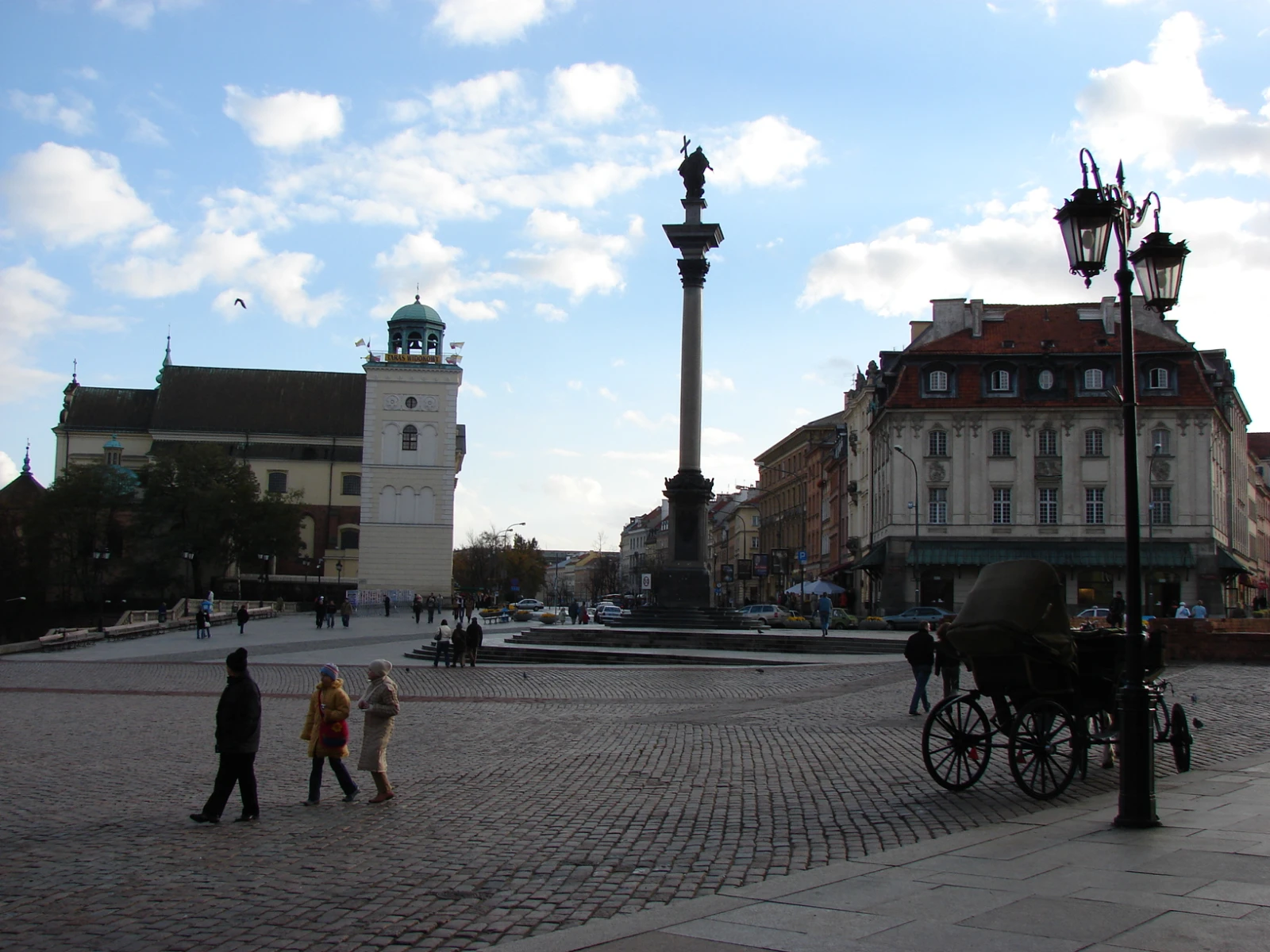
Old Town (Stare Miasto): Completely rebuilt after World War II, Warsaw's Old Town is a UNESCO World Heritage site with cobbled streets, colorful buildings, and cozy cafes.
Royal Łazienki Park: A peaceful escape in the city, home to classical music concerts and a beautiful palace on the water.
Palace of Culture and Science: This Soviet-era skyscraper is one of the tallest buildings in Poland and offers panoramic views of the city.
Day 7: Gdańsk
End your trip in Gdańsk, located on the Baltic Sea coast. Gdańsk is a historic port city with beautiful architecture, lively streets, and a rich maritime history.
Long Market (Długi Targ): This colorful street lined with merchant houses is the heart of Gdańsk. The Neptune Fountain and the Gothic-style Gdańsk Crane are highlights.
Westerplatte: Visit the site where World War II began and learn about Poland's role in the conflict.
Useful Tips and Mistakes to Avoid
1. Don’t Forget to Check Local Opening Hours
Some attractions, especially museums and historical sites, close early or on specific days of the week. Make sure to check their hours of operation in advance to avoid disappointment.
2. Public Transport Etiquette
Poles are generally polite and expect you to be as well. In public transport, it’s common courtesy to give up your seat for elderly people or women with children. Also, make sure to validate your ticket before boarding a tram or bus.
3. Try Local Cuisine
Polish food is hearty and flavorful. Be sure to try pierogi (dumplings), żurek (sour rye soup), and bigos (hunter’s stew). Street food is also popular in cities, and you’ll find plenty of places offering delicious, fast meals.
4. Be Prepared for Changing Weather
Poland’s weather can be unpredictable, especially in the mountains. Pack layers, a waterproof jacket, and comfortable shoes for walking and hiking.
How to Prepare Before Your Journey
1. Currency Exchange
While major cities offer exchange services and ATMs, it’s a good idea to have some cash on hand for smaller transactions or rural areas. Avoid exchanging money at the airport, as the rates tend to be unfavorable.
2. Health and Safety
Poland is generally a safe destination for travelers. However, it’s always good to have travel insurance in case of emergencies. For medical care, Poland has both public and private healthcare options, with English-speaking doctors available in most major cities.
3. Electrical Adapters
Poland uses the standard European plug (Type E), so make sure to bring the appropriate adapter for your electronic devices.
Summary and Key Takeaways
A 7-day trip to Poland offers a perfect balance of history, culture, nature, and modern city life. From the medieval beauty of Kraków to the bustling streets of Warsaw and the serene landscapes of Zakopane, you’ll be able to experience the best that this diverse country has to offer. By planning your itinerary carefully and following the essential tips outlined in this guide, you can maximize your time and ensure an unforgettable trip.
Key Takeaways:
Plan your route around Poland’s top attractions, including Kraków, Zakopane, Wrocław, Warsaw, and Gdańsk.
Take note of transportation options, including trains, buses, and renting a car for more flexibility.
Avoid common mistakes, such as not checking opening hours and underestimating the weather.
Make sure to prepare your travel essentials, such as currency, health insurance, and electrical adapters, ahead of time.
Poland is a destination that promises a rich, diverse travel experience, whether you’re a history buff, a nature lover, or simply looking for an exciting European getaway. A 7-day itinerary will provide you with a well-rounded introduction to this fascinating country.