Traveling from the USA to Poland can be a rewarding adventure, whether you're visiting for leisure, business, or to reconnect with family. However, before embarking on your journey, it's essential to ensure that you have all the required documents and a well-planned approach to your trip. This article will explore the key documents you need when traveling from the USA to Poland, alongside tips on how to plan your route and avoid common travel mistakes.
Introduction: Why Documents You Need When Traveling from USA to Poland is Worth Considering
Poland, with its rich history, vibrant culture, and beautiful landscapes, is a popular destination for travelers from the United States. However, the last thing you want is to face bureaucratic issues that could delay or even cancel your trip. Having the correct documentation is not only crucial for entering Poland, but it can also help you avoid unwanted surprises during your stay. From visas to travel insurance, understanding what documents are required will make your trip smoother, safer, and stress-free.
Essential Information for Travelers
Before traveling to Poland, it’s important to know the essential documentation required for U.S. citizens:
- Passport
A valid U.S. passport is mandatory for entry into Poland. Your passport must be valid for at least three months beyond your intended departure date from Poland. This is a general rule for all Schengen Area countries, of which Poland is a member. - Visa Requirements
U.S. citizens do not need a visa for short stays (up to 90 days) for tourism, business, or family visits. However, this rule only applies to stays within the Schengen Area. If you're traveling to Poland for longer periods or for work, you will need to apply for an appropriate visa before your departure. Make sure to check the Polish consulate website for the latest visa information. - Travel Insurance
Although not mandatory, it’s strongly recommended to have travel insurance. Many insurance policies cover medical emergencies, trip cancellations, or lost baggage. If you are traveling for business, certain insurance types may be required for entry, so make sure to check with the consulate. - Proof of Sufficient Funds
While Poland doesn’t require U.S. travelers to show proof of funds upon entry, it’s always wise to have access to sufficient financial resources for your stay. You may be asked to show evidence that you can support yourself during your trip if you’re traveling for an extended period. - Return Ticket or Travel Itinerary
Some border officials may ask for a return ticket or a travel itinerary to ensure that you plan to leave Poland within the allowed 90-day period. This can also be helpful in demonstrating your travel intentions to authorities.
Top Attractions and How to Plan Your Route
Poland is home to numerous historic cities, beautiful natural landscapes, and fascinating cultural landmarks. Here are some of the top attractions and recommendations for planning your trip:
- Kraków
Known for its medieval architecture, the historic center of Kraków is a UNESCO World Heritage site. Don't miss the Wawel Castle, St. Mary's Basilica, and the nearby Auschwitz-Birkenau concentration camp, which is a sobering reminder of World War II history. - Warsaw
The capital city offers a mix of modern and historical attractions. Explore the Royal Castle, the Wilanów Palace, and the Warsaw Uprising Museum. Warsaw is also known for its vibrant arts scene and excellent food culture. - Gdańsk
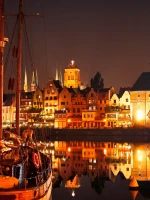
This charming Baltic port city is known for its historic Old Town and scenic waterfront. Gdańsk is also home to the European Solidarity Centre, which is dedicated to the history of the Solidarity movement and the end of Communist rule in Poland. - Zakopane and the Tatra Mountains
For nature lovers, Zakopane is a popular destination for hiking, skiing, and outdoor activities. The Tatra Mountains offer stunning views and well-maintained trails that attract visitors year-round. - Wrocław
Often called the "Venice of Poland" due to its network of canals and bridges, Wrocław is a beautiful city with a lively atmosphere. Be sure to visit the Market Square, the Cathedral Island, and the many quirky dwarf statues scattered throughout the city.
When planning your route, consider using Poland's excellent transportation network, which includes trains, buses, and low-cost domestic flights. To optimize your trip, it’s advisable to plan for longer stays in major cities like Warsaw, Kraków, and Gdańsk, with day trips or overnight stays in smaller towns and natural attractions.
Useful Tips and Mistakes to Avoid
To ensure your journey to Poland goes smoothly, here are some helpful tips:
- Currency
Poland’s official currency is the Polish złoty (PLN). While credit cards are widely accepted, it’s a good idea to carry some cash for smaller purchases or in more remote areas. ATMs are readily available. - Language
While Polish is the official language, many people in urban areas speak English, especially in tourist centers. Still, it can be helpful to learn a few basic Polish phrases, such as "Dzień dobry" (Good day) and "Dziękuję" (Thank you). - Tipping
Tipping is common in Poland, though not mandatory. It is customary to leave a 10-15% tip in restaurants if service is not included in the bill. You can also tip hotel staff and taxi drivers. - Electrical Adapters
Poland uses the European standard two-pin plug (type C and E), so you’ll need a power adapter if your devices have a different plug type. Poland’s voltage is 230V, so check the voltage compatibility of your electronics. - Avoiding Tourist Traps
Be cautious in heavily touristy areas, as prices can be inflated. It’s always better to ask locals for recommendations on restaurants, tours, and services to avoid overpriced options. Also, make sure to watch out for pickpockets, especially in crowded tourist spots. - Understand Local Etiquette
Poles are generally formal and polite, especially in business settings. It’s customary to greet people with a handshake and address them using their title and last name until you are invited to use their first name.
How to Prepare Before Your Journey
To ensure your trip to Poland is as smooth as possible, there are several things you should do before you depart:
- Check Passport Validity
Ensure that your passport is up-to-date and meets the required validity for travel to Poland (at least three months after your return date). - Book Flights and Accommodation
Book your flights and accommodation well in advance, especially if you’re traveling during peak tourist seasons like summer or the Christmas holidays. Consider booking flexible tickets if your plans are uncertain. - Secure Travel Insurance
Purchase travel insurance that covers medical emergencies, trip cancellations, and lost luggage. Verify that the insurance covers your specific needs and activities in Poland. - Plan Your Transportation
Familiarize yourself with the local transportation system in Poland, including trains, buses, and flights. You may want to buy tickets or passes in advance, particularly for high-demand routes. - Currency Exchange
Make sure to exchange some USD for Polish złoty before your trip, or plan to withdraw cash from ATMs upon arrival in Poland. - Health Precautions
Check if you need any vaccinations before traveling, and carry any necessary medications in their original packaging, as well as a doctor’s prescription if required.
Summary
Traveling from the USA to Poland is a fantastic opportunity to explore a rich cultural and historical landscape, but it requires careful planning and preparation. To avoid travel disruptions, ensure you have the essential documents, including a valid passport, proof of sufficient funds, and any necessary visas. Poland offers a wealth of attractions, from the historic cities of Kraków and Warsaw to the natural beauty of the Tatra Mountains and Zakopane. By following our travel tips and avoiding common mistakes, you can enjoy a smooth, enriching trip to one of Europe’s most fascinating destinations.