Poland is a country that stands out in Eastern Europe for many reasons—its rich history, diverse culture, and resilience in the face of adversity make it a fascinating destination for travelers. While it might not always attract the same level of international attention as its neighbors, Poland offers a unique combination of old-world charm and modern vitality that few other countries in the region can match. From the historic streets of Kraków to the rebuilt city of Warsaw, from the haunting history of Auschwitz to the natural beauty of the Tatra Mountains, Poland is a place where the past and present coexist in a way that feels both profound and captivating. In this article, we’ll explore why Poland is so unique and what makes it stand out in the broader context of Eastern Europe.
1. A Rich and Complex History
Poland's history is one of the most fascinating and tumultuous in Europe, and this historical depth is a key aspect of what makes the country unique. The story of Poland is marked by both incredible triumphs and devastating tragedies, and the echoes of its past can be felt in the country's architecture, culture, and national identity.
The Kingdom of Poland and the Polish-Lithuanian Commonwealth
Poland's history dates back to the 10th century when it emerged as a unified kingdom under the Piast dynasty. However, the country’s true historical significance in Europe came later, during the era of the Polish-Lithuanian Commonwealth, which spanned from 1569 to the late 18th century. This federation was one of the largest and most powerful states in Europe, boasting a diverse, multicultural society that included Polish, Lithuanian, Ukrainian, and Jewish populations, among others. The Commonwealth was also known for its progressive political system, notably the "Golden Liberty", which granted significant rights and freedoms to its nobility, including the right to elect the king.
Partitions and Resilience
The 18th century saw Poland partitioned and erased from the map of Europe for more than 120 years, divided among Prussia, Russia, and Austria. Despite being wiped off the map, Poland never lost its national identity. The struggle for independence was a constant undercurrent in Polish culture, and the country finally regained its sovereignty in 1918, only to face the devastation of World War II.
WWII and the Holocaust
Poland's role during World War II is central to the country’s identity today. It was the site of some of the most horrific events of the war, including the Nazi invasion and the establishment of concentration camps such as Auschwitz, which has become a symbol of the Holocaust. Poland’s experience during the war is deeply ingrained in the national consciousness, and the country has made tremendous efforts to preserve the memory of these dark chapters in history through museums, memorials, and educational initiatives.
Communism and Transition to Democracy
After WWII, Poland fell within the Soviet sphere of influence and became a communist state under heavy Soviet control. The struggle against Soviet rule culminated in the rise of Solidarity, a trade union movement led by Lech Wałęsa, which played a key role in the peaceful collapse of communism in the 1980s. Poland's transition from communism to democracy in 1989 was a historic achievement, and the country’s peaceful revolution stands as a beacon of hope for other nations that have faced oppressive regimes.
2. A Unique Cultural Heritage
Poland's cultural heritage is incredibly diverse, drawing influences from both Eastern and Western Europe. Over the centuries, the country has been home to a wide range of ethnic and religious groups, including Poles, Jews, Ukrainians, Germans, and others. This cultural blending has created a rich and multifaceted tradition that continues to shape Poland’s identity today.
Language and Literature
The Polish language is a vital part of the country’s unique identity. As one of the few Slavic languages using the Latin alphabet, Polish is distinct from its neighbors and plays a central role in the nation’s cultural cohesion. Poland has produced some of Europe’s greatest literary figures, including Adam Mickiewicz, Juliusz Słowacki, and Wisława Szymborska, whose works have shaped the country's literary tradition and have had a lasting influence on world literature.
Poland also boasts a thriving contemporary arts scene, with filmmakers like Andrzej Wajda and Roman Polański gaining international acclaim, while contemporary authors like Olga Tokarczuk have earned prestigious awards such as the Nobel Prize in Literature.
Traditional Music and Dance
Polish culture is rich in music and dance, with traditional folk music being an important part of the national identity. The Polish mazurka and polonaise are two of the most famous traditional dances, often associated with classical composers like Frédéric Chopin, who was born in Poland. Chopin’s works are an integral part of the Polish cultural landscape, and his music continues to resonate deeply with the Polish people, who regard him as a national hero.
Poland also has a strong tradition of choral music, and the country’s folk songs and dances are an essential part of celebrations and festivals across the nation.
Festivals and Celebrations
Poland’s festivals are another important expression of its unique culture. The country’s rich history is celebrated throughout the year with events like Wianki (the Midsummer Night Festival), Żywiec folk festivals, and the Kraków Film Festival. These festivals often blend religious traditions with contemporary cultural expressions, creating an environment that honors both Poland’s past and its evolving future.
3. A Deep Connection to Nature
Poland's natural beauty is as diverse as its history and culture. The country is home to breathtaking landscapes, from its northern Baltic coast to the rugged Tatra Mountains in the south. This diverse geography not only adds to the country’s unique charm but also speaks to the Poles’ deep connection with nature.
The Tatra Mountains and Zakopane
Poland’s southern border is defined by the Tatra Mountains, a stunning mountain range that attracts hikers, climbers, and skiers year-round. The town of Zakopane, located at the foot of the Tatra Mountains, is known for its unique architecture, which blends Polish Highlander traditions with a distinctive wooden style. It’s also a gateway for outdoor enthusiasts looking to explore the many trails, lakes, and ski resorts in the region.
National Parks and Wildlife
Poland is home to more than 20 national parks, including the Białowieża Forest, which is one of the last and largest remaining parts of the primeval forest that once stretched across Europe. This UNESCO World Heritage site is home to the European bison and offers a glimpse into Europe’s natural past. Poland’s varied landscapes—lush forests, serene lakes, and dramatic mountains—make it a haven for nature lovers and outdoor activities.
The Baltic Coast
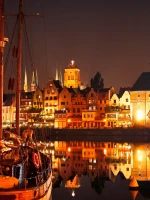
Poland’s northern coast along the Baltic Sea offers long sandy beaches, charming seaside resorts, and the picturesque Hel Peninsula. The coastal region is also home to historic ports like Gdańsk, a city that has a rich maritime history and is an important symbol of Poland’s resilience and its place in European history.
4. Polish Resilience and National Identity
What truly makes Poland unique is its resilience in the face of adversity. Despite centuries of foreign occupation, partition, and political oppression, Poland has maintained a strong sense of identity and pride in its heritage. The Polish people’s ability to persevere and rebuild after such devastating events, including the destruction of Warsaw during WWII, is a testament to their indomitable spirit.
Poland's national identity is deeply rooted in a love for freedom, a respect for tradition, and a fierce commitment to protecting its sovereignty. The people of Poland carry this resilience with them in their everyday lives, as evidenced by the country’s rapid economic growth and its embrace of modernity since the end of communism.
Conclusion: Why Poland is Unique
Poland’s uniqueness lies in its combination of historical depth, cultural richness, natural beauty, and the resilience of its people. From its medieval towns to its vibrant cities, from its painful history to its optimistic future, Poland stands as a testament to the strength of the human spirit. Its cultural and natural diversity makes it a fascinating country to explore, while its journey from partitions and war to democracy and prosperity makes it a symbol of perseverance. Poland is not just another destination in Eastern Europe—it's a country with a story to tell, and its story is one of triumph, survival, and the unwavering pursuit of freedom. It all you may see if you book your tour to Poland with GFP Travel...